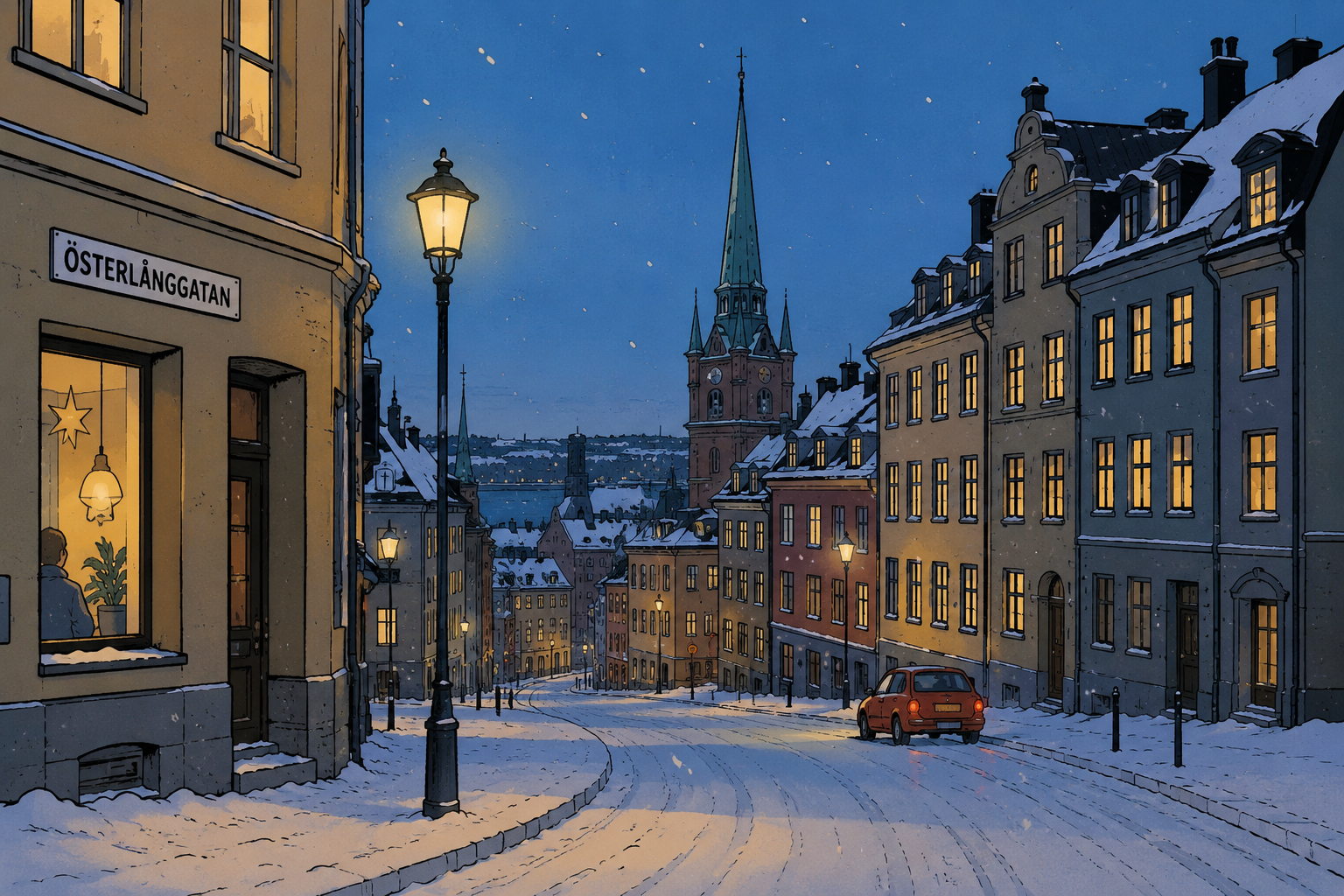
There are things you only begin to understand about Sweden after you leave it.
Not the obvious things.
Not the flags, the meatballs, or the postcards tourists buy in Gamla Stan.
The real things.
The invisible rules.
The quiet agreements that shaped generations of Swedes so deeply that most of us never even noticed them while growing up.
Because Swedish culture was rarely loud enough to announce itself.
It lived in behaviour.
In pauses.
In silence.
In queues.
In the careful way people shared public spaces without speaking about it directly.
And perhaps that is why so many Swedes feel unexpectedly emotional abroad.
Not because Sweden was perfect.
But because distance makes you realise how much of your personality was quietly built by dark winters, organised systems, candlelight, personal space, and millions of small acts of consideration between strangers.
Many Swedes only fully recognise these habits after spending time overseas — especially in places where social norms operate very differently. We explored that contrast more deeply in our article on living in Thailand as a Swede.
1. Silence Was Never Emptiness
Foreigners often misunderstand Swedish silence.
They think it means discomfort. Distance. Coldness.
But Swedish silence came from somewhere much older than social awkwardness.
It came from forests.
From snow.
From long winters and enormous stretches of land where peace itself became part of survival.
In many countries, silence means something is wrong.
In Sweden, silence often meant something was safe.
Sweden was not built through loud patriotism.
It was built through millions of quiet acts of consideration between strangers.
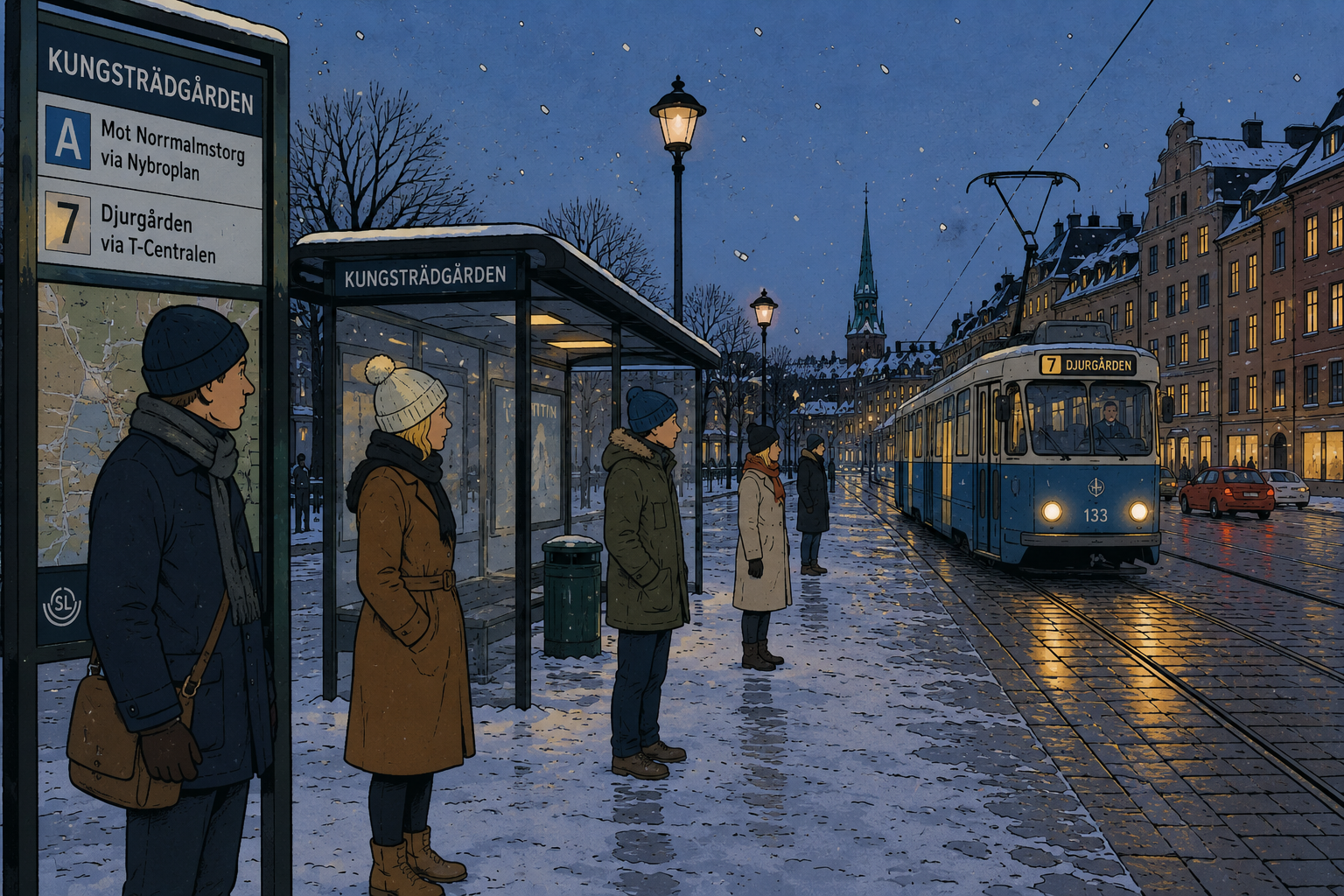
❌ Wrong
“If nobody talks, the atmosphere is awkward.”
✅ Swedish Reality
If nobody talks, people are comfortable enough not to perform.
Travel With A Little More Scandinavian Peace
Many Swedes living abroad eventually realise how emotionally exhausting constant noise can become. A good pair of noise-cancelling headphones often feels less like technology and more like mental recovery.
2. We Built Trust Through Tiny Daily Behaviours
Sweden was never built only through laws or institutions.
It was built through ordinary people quietly cooperating every day.
- Returning shopping carts
- Respecting queue numbers
- Cleaning shared laundry rooms properly
- Removing shoes indoors
- Keeping common spaces orderly
These things sound trivial until you live somewhere they no longer happen automatically.
And suddenly you understand something important:
High-trust societies are not created through speeches.
They are created through millions of invisible moments where strangers choose consideration over selfishness.
Sweden consistently ranks among the world’s highest-trust societies according to studies discussed by the World Happiness Report and national data published by Statistics Sweden (SCB). :contentReference[oaicite:0]{index=0}
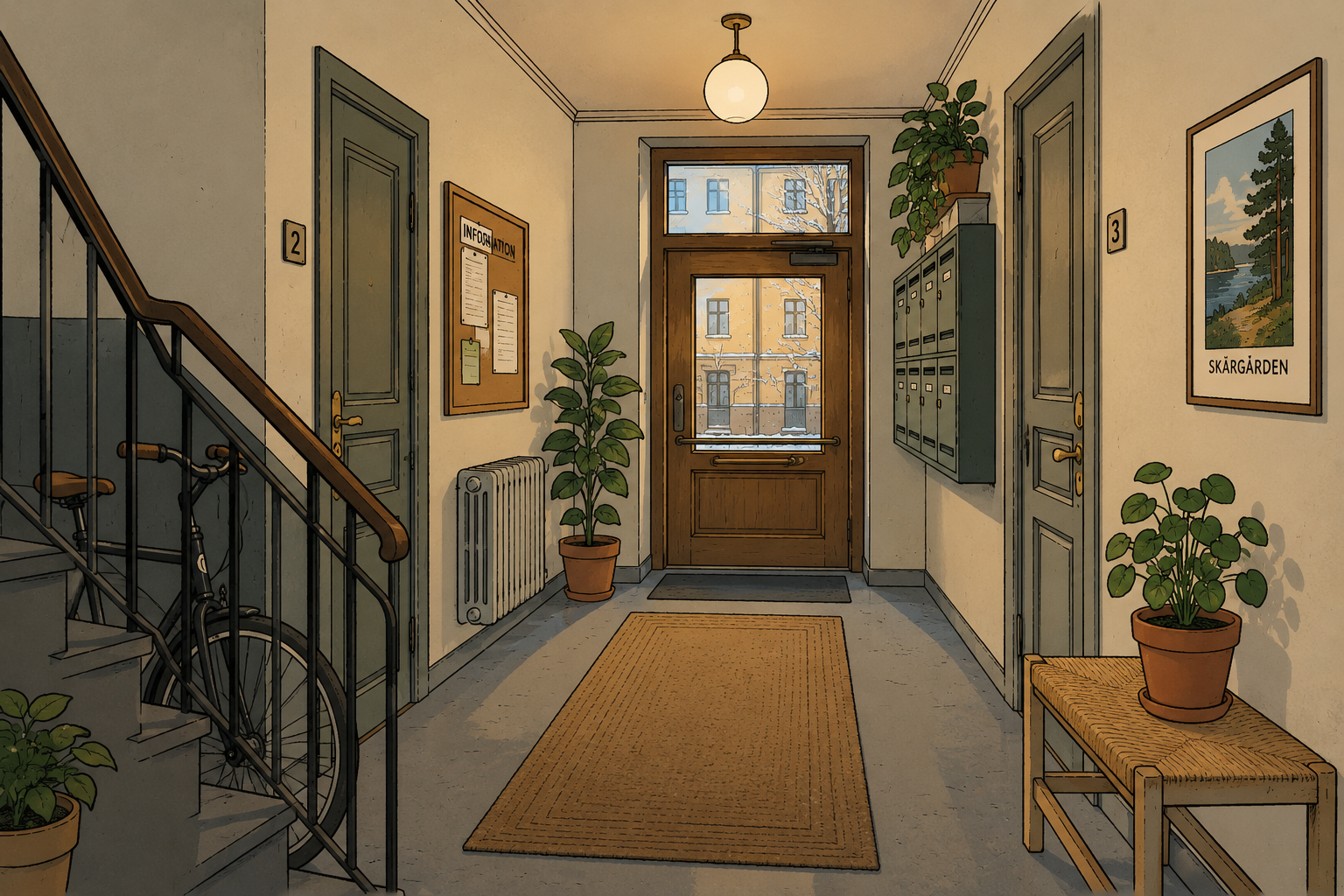
Bring Scandinavian Calm Into Your Home
Many Swedes abroad eventually try recreating the quiet simplicity of Nordic interiors — warm lighting, organised spaces, and small comforts that make dark evenings feel softer.
3. Fika Was Society Slowing Itself Down
Perhaps the world misunderstood fika too.
It was never only coffee.
And it was certainly never only cinnamon buns.
Fika was Sweden quietly protecting human connection from productivity.
A pause in the middle of the day.
A moment where efficiency temporarily stopped mattering.
A small ritual reminding people that conversation still had value.
In many countries, coffee became fuel for working harder.
In Sweden, coffee became permission to stop working for a while.
Swedish traditions around fika and seasonal living are still deeply tied to ideas of balance and wellbeing, something frequently explored by the Swedish Institute and Visit Sweden.
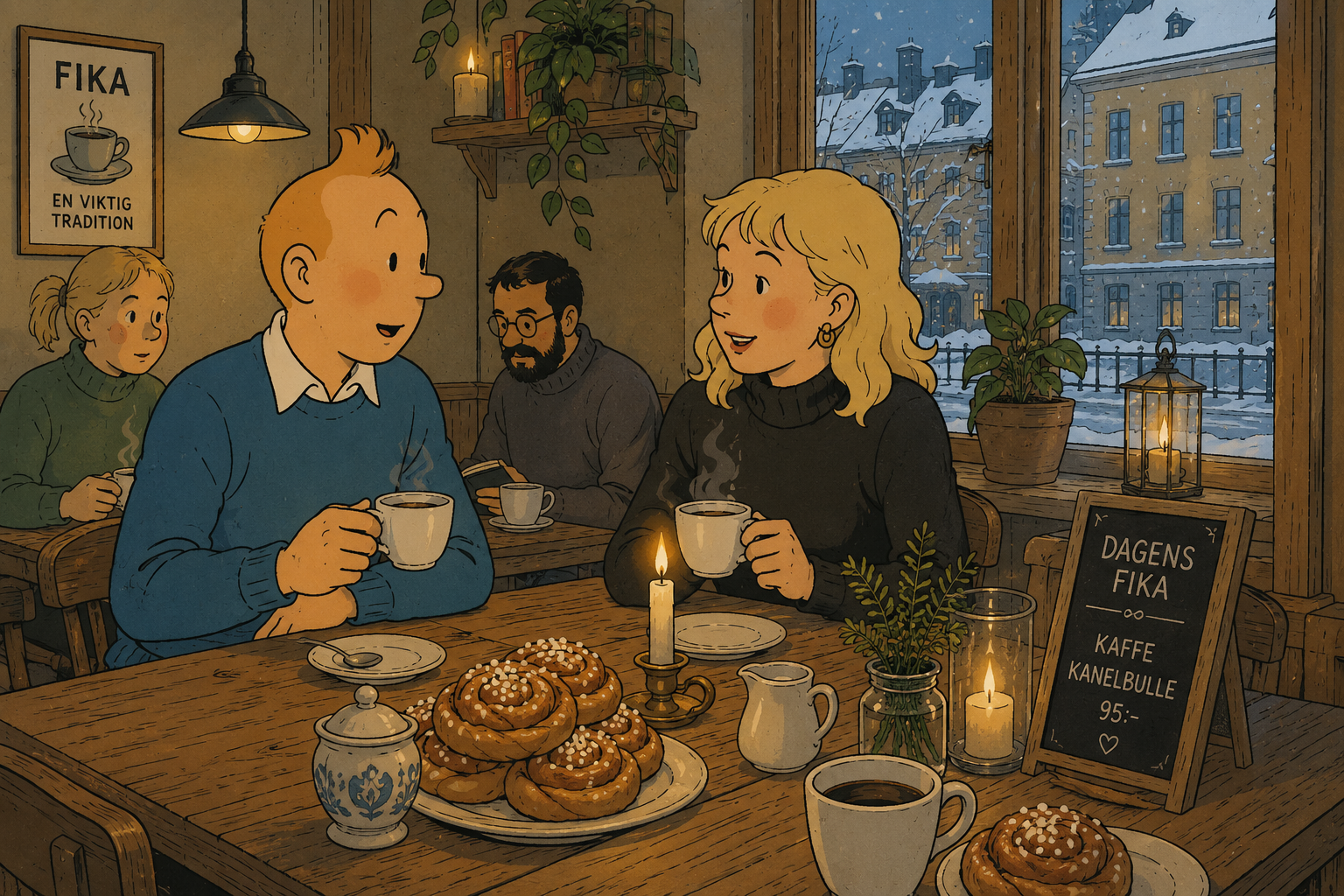
❌ Wrong
“Fika is just a coffee break.”
✅ Swedish Reality
Fika was society reminding itself that people are not machines.
Recreate Proper Swedish Fika Anywhere
Many Scandinavians living abroad eventually spend ridiculous amounts of money trying to recreate the feeling of a proper fika at home — and honestly, it is usually worth it.
4. Swedish Winters Quietly Shaped Swedish Personality
You cannot understand Swedish culture without understanding Swedish darkness.
For months each year, daylight became temporary.
The cold arrived early.
The streets became quieter.
People retreated indoors.
And over generations, those winters shaped behaviour.
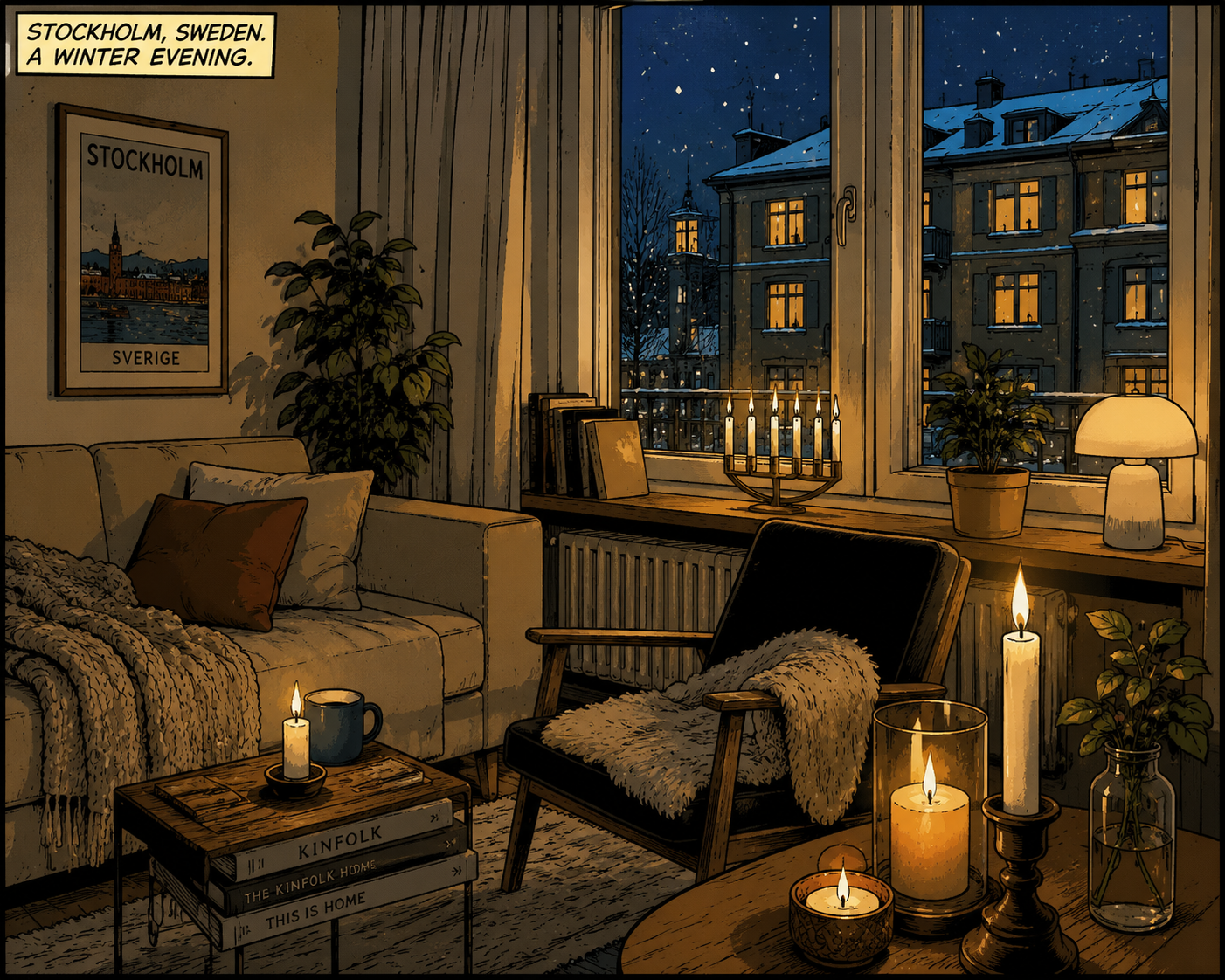
- Homes became sacred spaces
- Candles became emotional medicine
- Warm lighting became psychological survival
- Calmness became valuable
❌ Wrong
“Swedes overreact to good weather.”
✅ Swedish Reality
You would celebrate sunlight too if winter lasted half your life.
Create A Nordic Winter Atmosphere At Home
Many Swedes abroad eventually realise they miss the feeling of Scandinavian interiors almost as much as the country itself.
5. Summer Was Never Just A Season
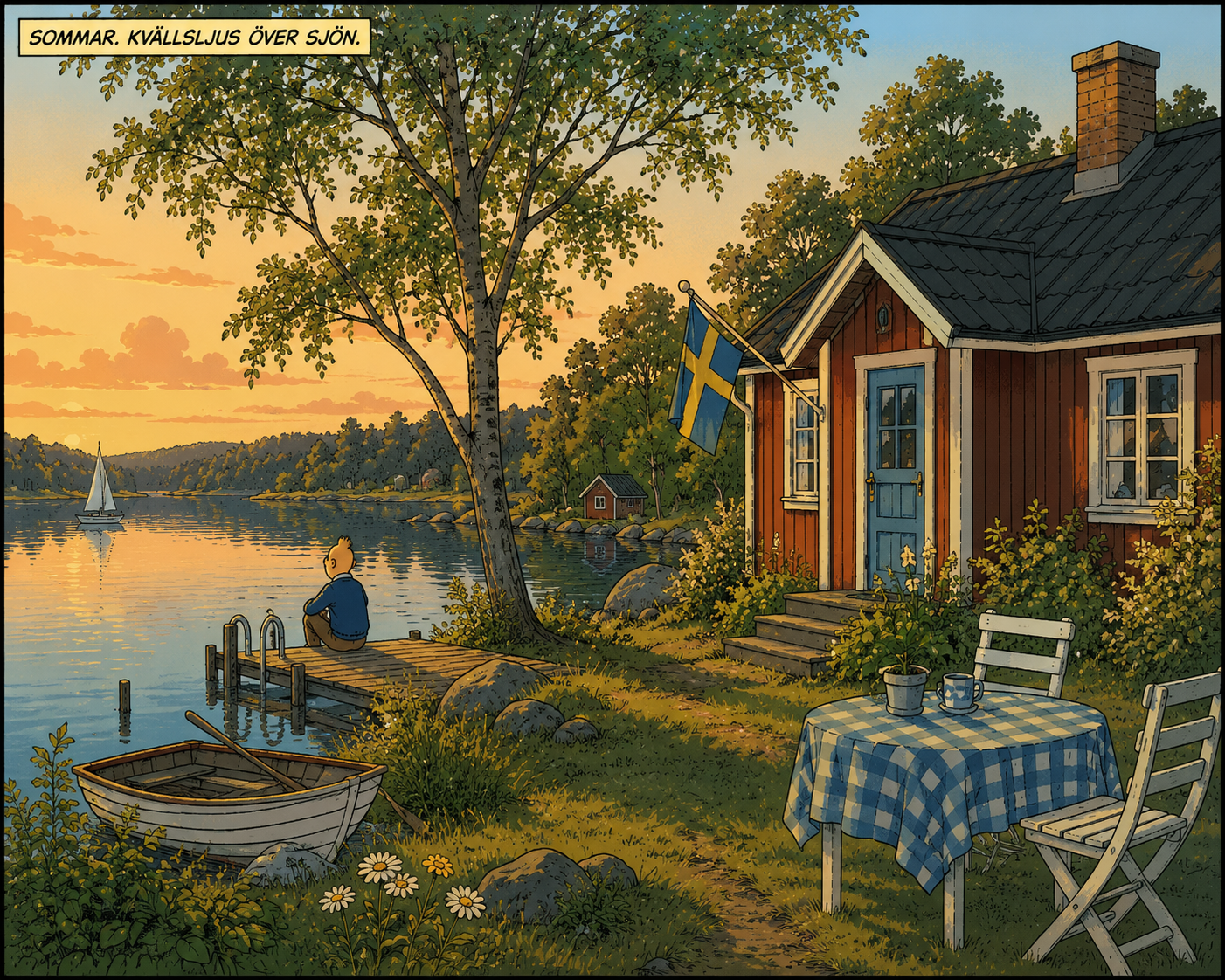
For Swedes, summer became emotional release.
Not because it was luxurious.
But because it was temporary.
The first outdoor fika of spring.
Lake water still too cold to swim in properly.
Balconies suddenly full.
Late sunsets that made time itself feel softer.
The entire country transformed emotionally the moment sunlight returned.
Because Swedes do not experience summer casually.
They experience it with memory.
With relief.
With gratitude.
For The Scandinavian Need To Escape Outdoors
Maybe it comes from growing up close to forests, lakes, and silence — but many Swedes never completely lose the urge to disappear into nature for a while.
Final Thoughts
Maybe that is why so many Swedes become nostalgic abroad.
Not because Sweden was flawless.
But because distance reveals the invisible structures that once made everyday life feel calm, respectful, and emotionally safe.
You notice it standing in chaotic queues.
In loud cafés.
In apartment buildings where nobody respects shared spaces.
In cities where silence barely exists anymore.
And one day you realise something strange:
Much of what made Sweden feel comforting was never written into law.
It lived quietly inside ordinary behaviour.
Inside pauses.
Inside trust.
Inside consideration between strangers.
And perhaps the most Swedish thing of all is that people rarely talked about these values directly while growing up.
They simply understood them together.
Related Reading:


